- 31(0)6 51641546
- info@equinestudies.nl
- Aalsdijk 18, Asch

Over 400 satisfied participants
Life-time access tot the course
70+ videos from several horses
14-day satisfaction guarantee
When you arrive at your horse, the first thing we often do is take a moment to look at them. We do this unconsciously, scanning the horse for wounds or other irregularities.
However, we often overlook the much smaller signals the body is giving us.
For example, have you ever paid attention to the way your horse places his feet when standing at rest? Or how he moves his neck to pull hay from the hay net? Or how he distributes his weight over all his legs when walking from the water trough to, for example, the feeding area?
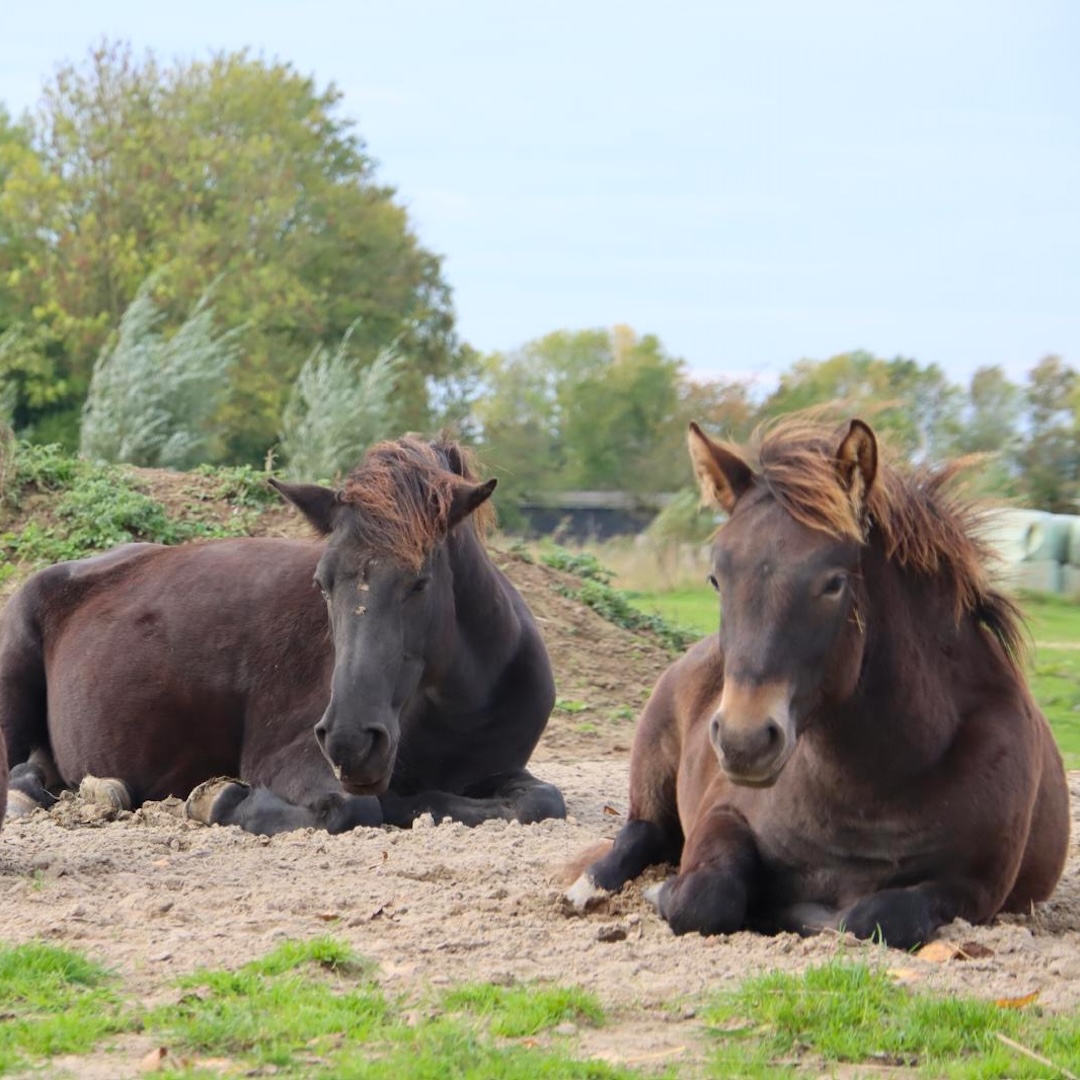
We can gain so much information by observing all of a horse’s natural behavior. How does a horse eat, rest, roll, or defecate? But also, how does a horse move from one place to another without any guidance from you?
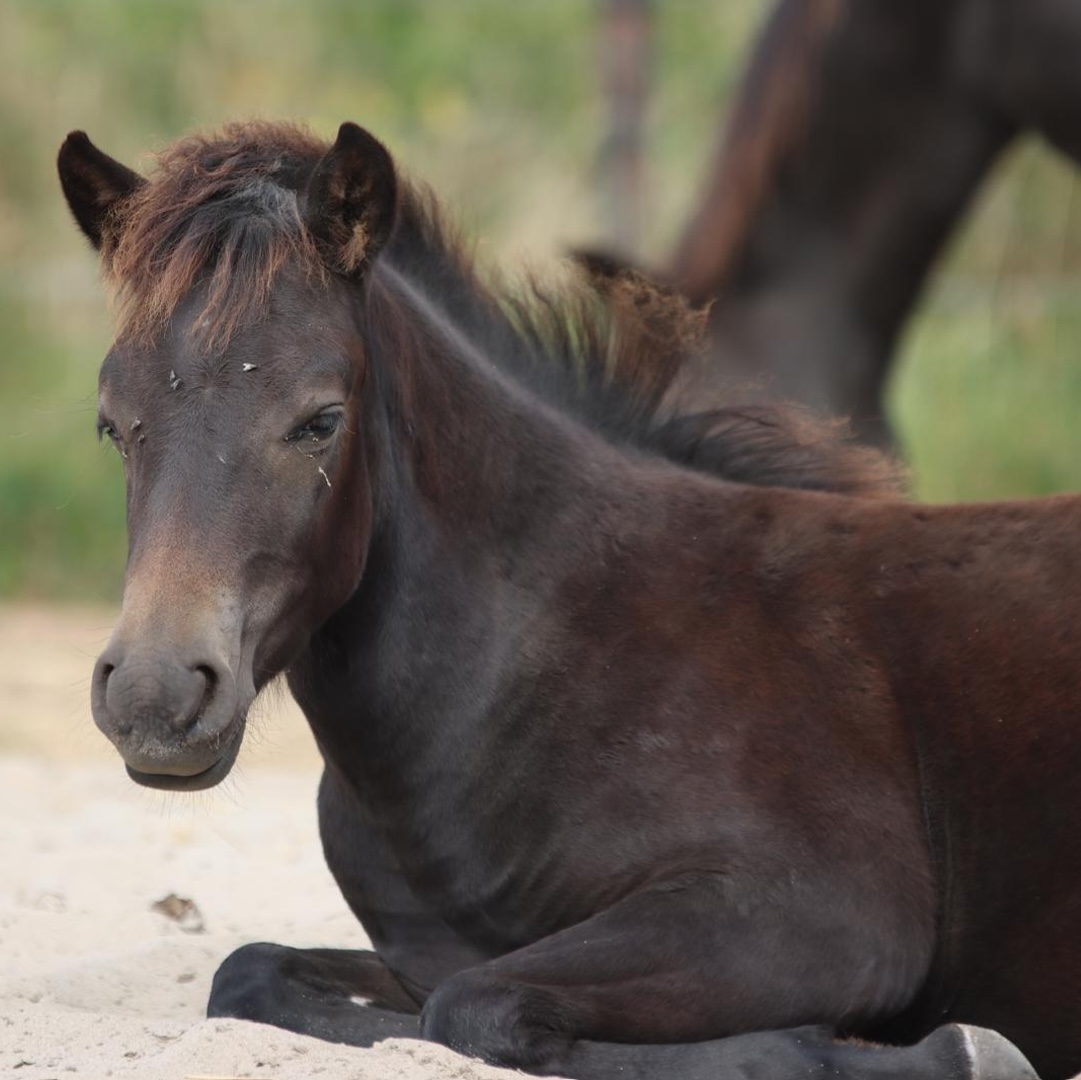
Horses conserve their energy for when it’s really needed. During the day, you’ll often see them standing, and sometimes lying down. The way they do this can tell you a lot about their health and is definitely worth observing!
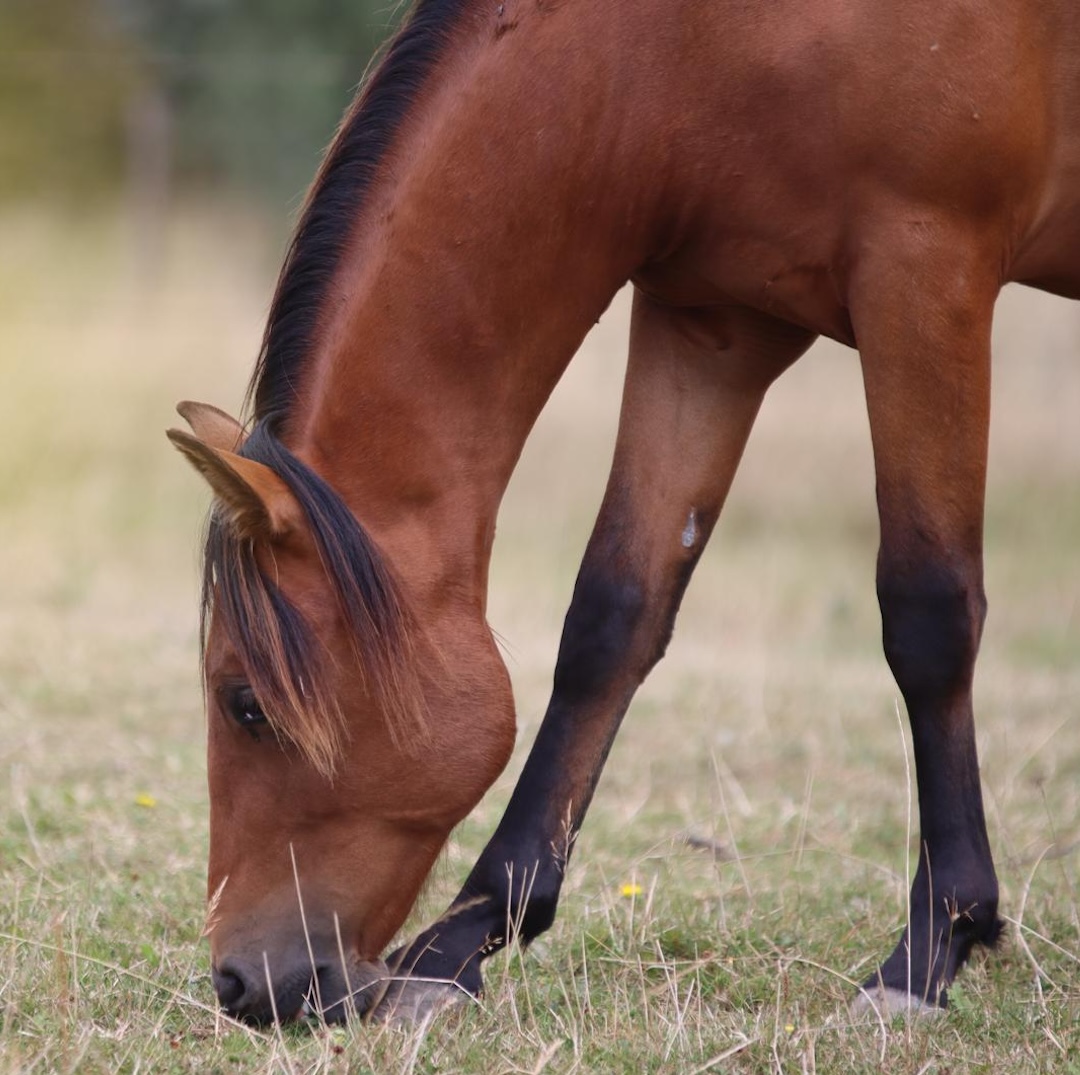
A horse in the wild spends a large part of the day searching for food or eating. Because they eat small amounts throughout the day, a horse’s digestive system is always partially full. This is important for keeping them healthy.
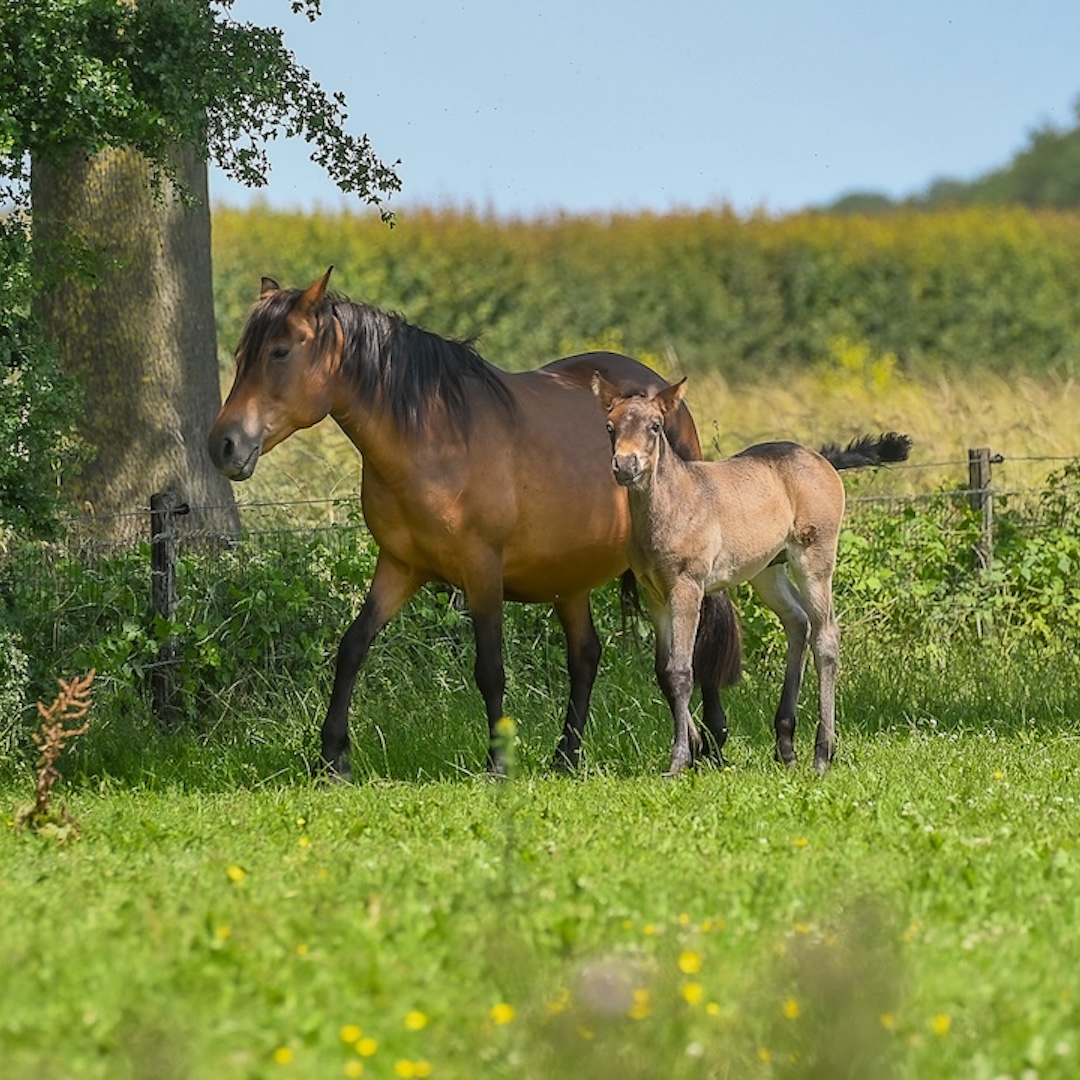
A horse literally needs movement to stay healthy and fit. Movement can be divided into free movement and training. For the purpose of observation, we will focus on free movement, where the horse moves its body on its own.
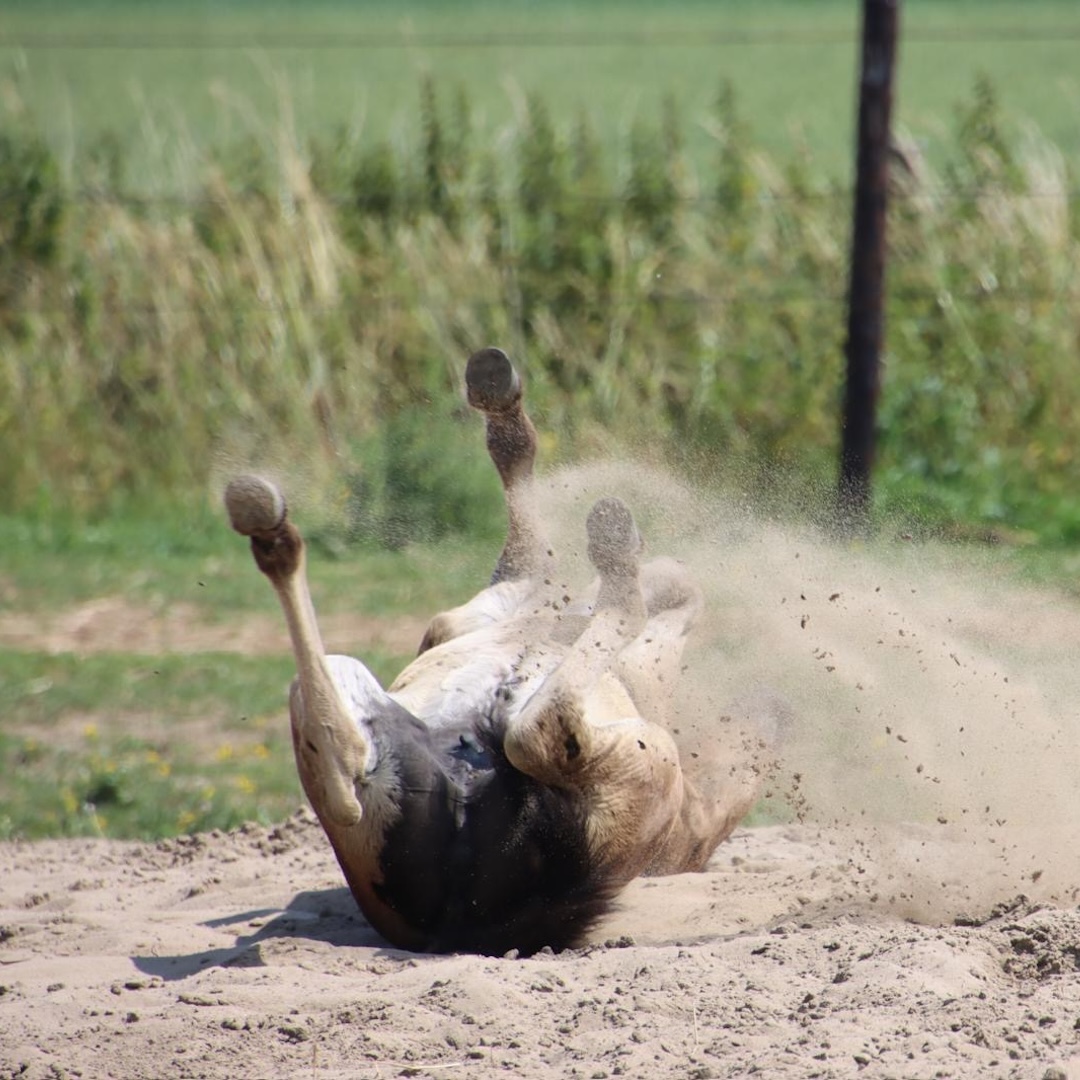
And what’s left then? Well, basically the rest. Think of grooming, defecating, urinating, rubbing, and so much more. All of these are behaviors that require the horse to use its body. How a horse does this can tell you a lot of information.
In this course, you will learn to observe horses in their own environment. By learning to observe carefully, you’ll start to recognize patterns.
For example, you’ll start to notice the horse’s preferred posture or stance. These patterns provide information about the strengths and weaknesses of the body. Once you have this knowledge, you can use it effectively in your management or training.
When you observe a horse over a longer period, you’ll start to notice changes in the body. For example, you may see the positive effects of training or detect injuries at an early stage.
Most courses currently focus on how to best observe your horse during training. Is he moving evenly, bending easily to both sides, can he collect himself? But have you ever thought about what your horse does during the other 23 hours of the day? And how much information you can actually gain from that?
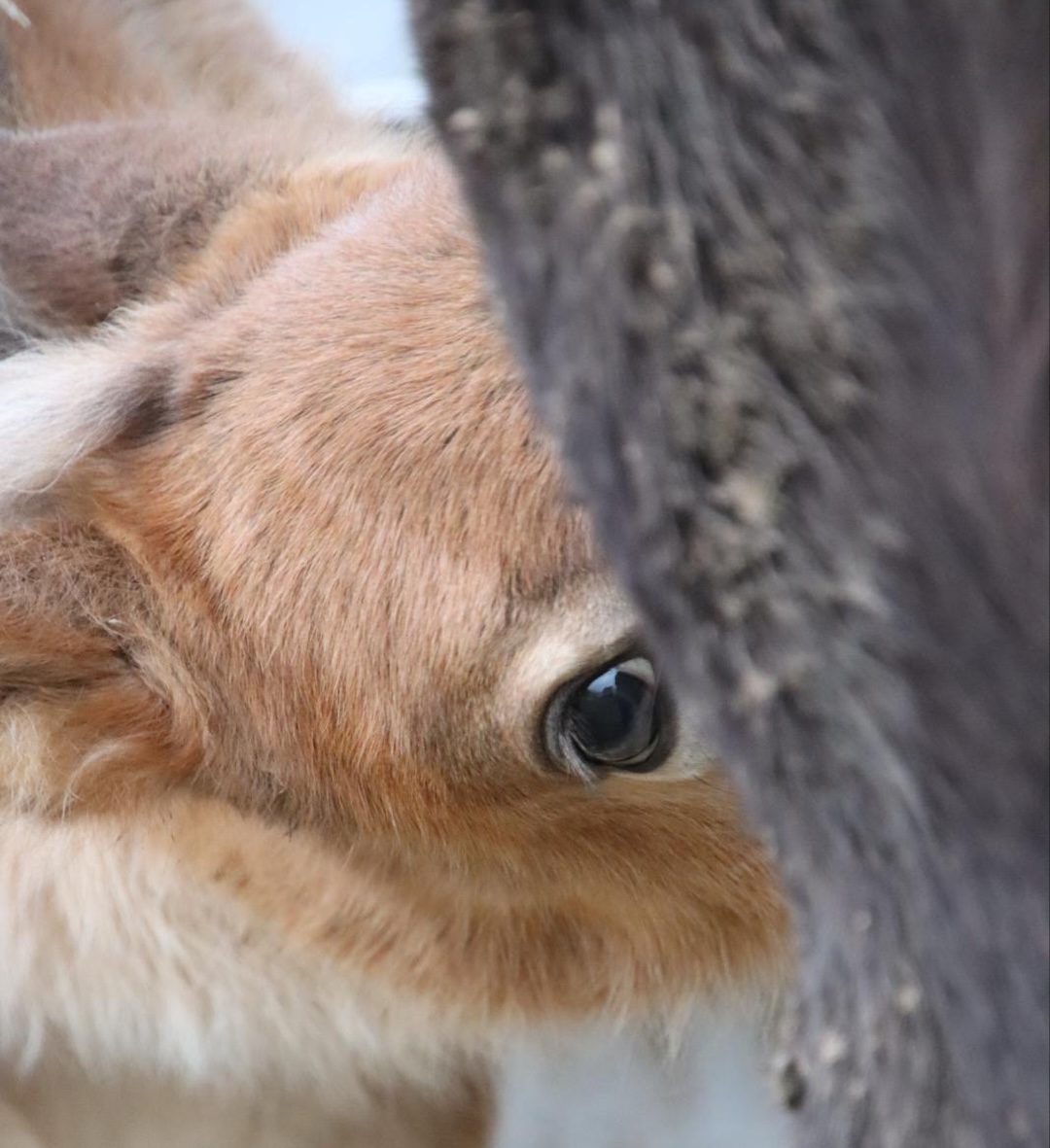
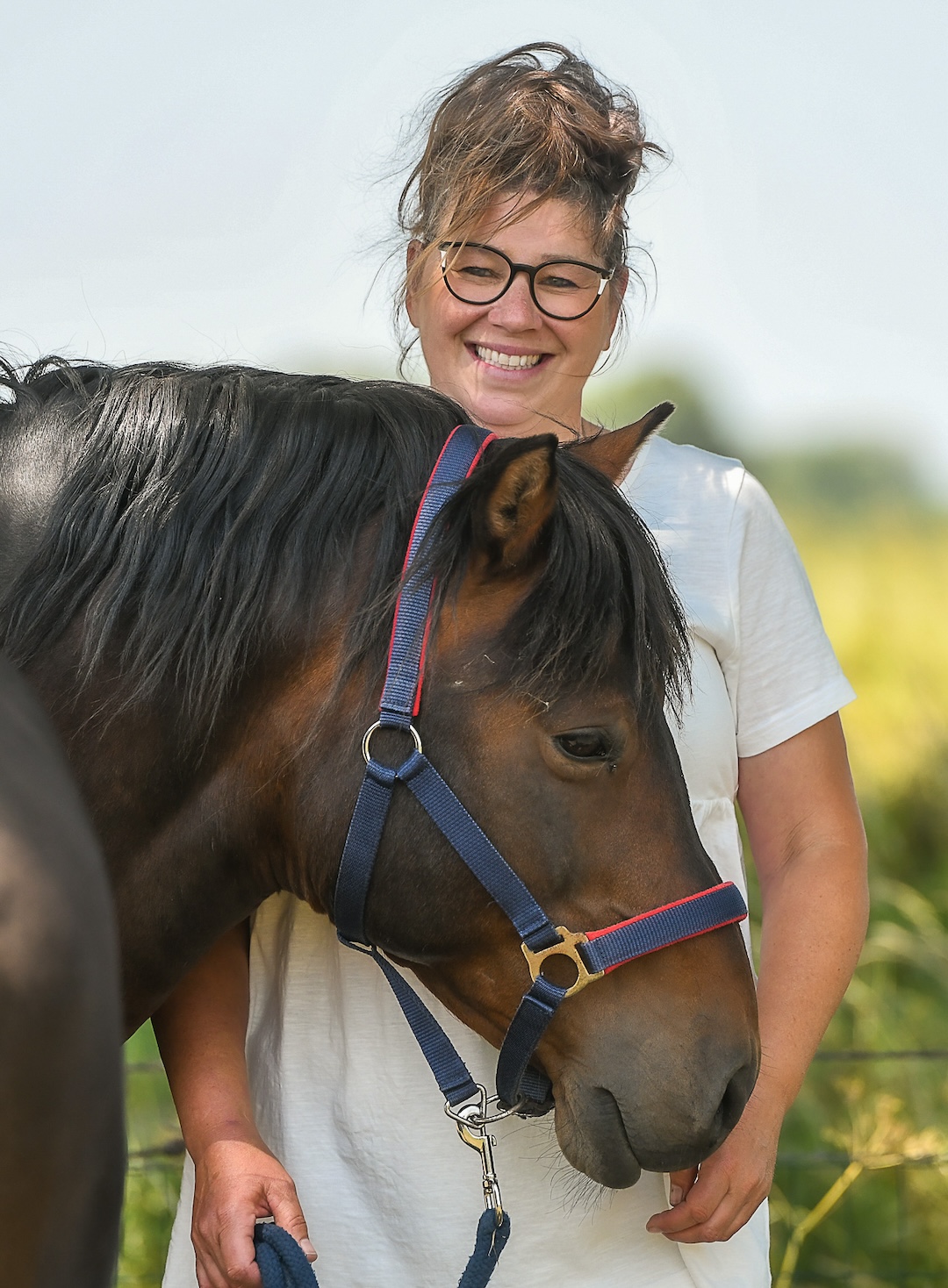
"Through my research with both domesticated and primitive horses, I gradually realized just how many variations there are in the way horses use their bodies. Behaviors that we often overlook because they seem so ‘normal’ can actually provide a wealth of information.
I’ve personally seen how much you can learn from this with my own horse. After a tendon injury, the way she rested changed. It was clear that certain movements were more difficult for her, and she started to compensate differently. By carefully observing her over time, I gathered valuable information about her recovery and could adjust my training to help her.
I hope to share this knowledge with as many horse owners as possible, so that together we can learn to see more. Observing to discover – that’s exactly what you’ll be doing in this course!"
Reviews
"It's become clear to me how much I've been missing all these years. When you know what you can see, it's impossible to unsee it. I'm incredibly happy that I now have this knowledge!"
"What a well-designed course! It's so great that you're first put to work watching the videos yourself, and only then are you given Zefanja's perspective. This really forces you to train your eye."
"It's so crazy that we focus so much on flexibility and balance while riding, but we never do this the rest of the time. For me, this course completes the picture."
"What I found most valuable is that you learn to notice even the smallest changes. This allows you to truly observe your horse daily. This is the best investment you can make in your horse's health and well-being!"
Zefanja Vermeulen has years of experience in conducting assessments. All videos are narrated by herself. This gives you a real opportunity to learn directly from her in the course. What does she pay attention to and what does she notice? A unique opportunity!
To understand what’s “abnormal,” we first need to understand what’s normal. Zefanja Vermeulen has been researching primitive horses for years. These are horses that are not domesticated or are partially domesticated. You can gain a great deal of information by comparing the two.
In the course, we’ve collected footage of over 50 different horses for you. Each horse exhibits a variation that allows you to visually see how to recognize it. The course is designed to encourage you to observe first, training your eye.
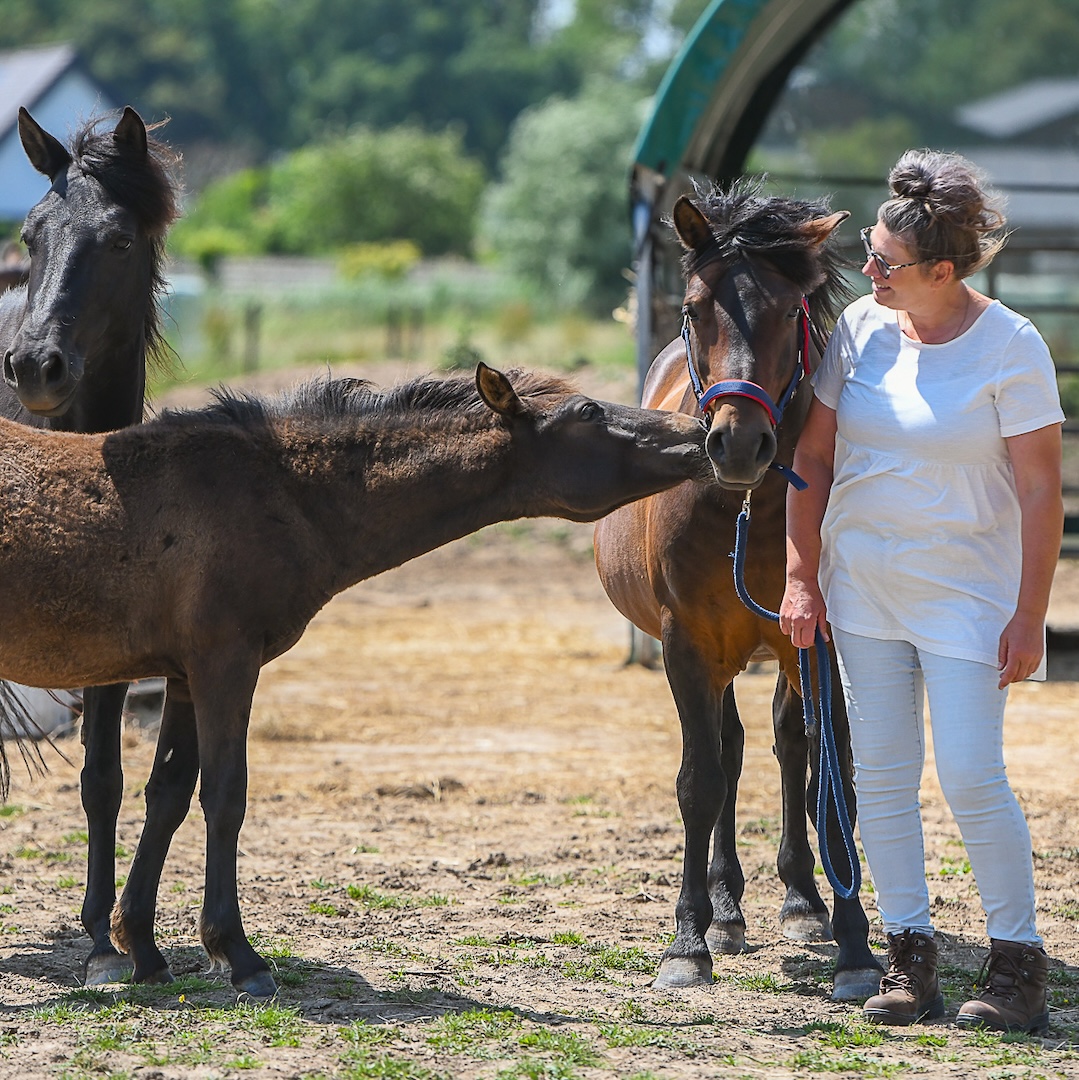
My horse hadn’t been moving completely sound for a long time. He wasn’t lame, but he had been moving a bit as if there was occasionally a slight hitch in his gait. By observing his preferred posture, I noticed that he was consistently offloading his left hind leg. Every time he stood at rest or positioned himself a certain way at the hay net, I could see that he was putting less weight on his left hind. This allowed me to specifically investigate the cause and adjust my management and training to help strengthen him in that area.
The funny thing is, even though he’s now moving completely sound again, I still find myself observing him every time I arrive. That way, I hope to notice any changes early next time.
– Kelly